
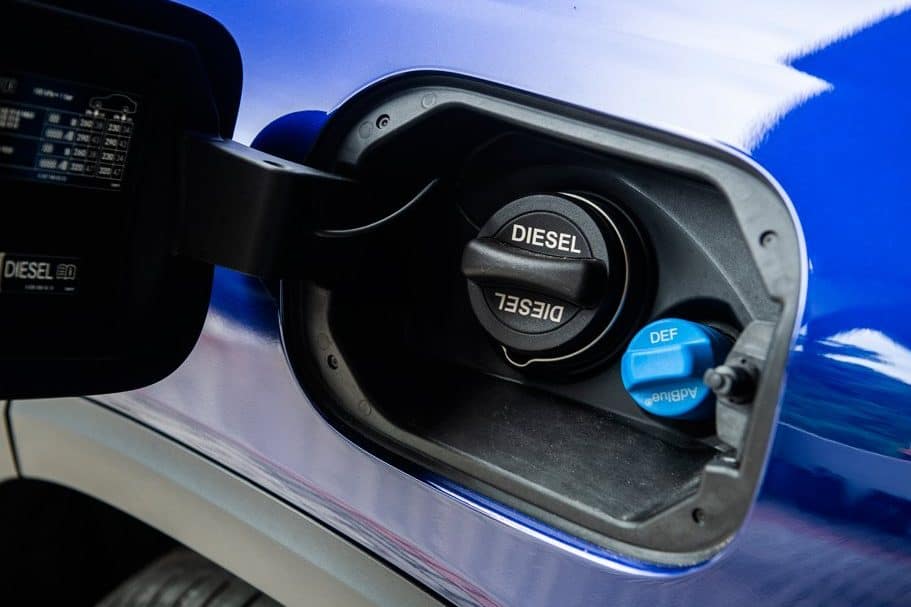
As the upcoming Kia Tasman generates excitement across global markets, emissions standards become a point a focus as they vary depending on regional regulations. A key factor in this variation is whether the Tasman will require AdBlue, a urea-based fluid used to reduce harmful nitrogen oxide (NOx) emissions in diesel engines. Some markets will necessitate the use of AdBlue and some won’t.
Markets Requiring AdBlue
In regions with stricter emissions standards, such as Europe and South Korea, the Kia Tasman will likely need to meet Euro 6 or similar regulations, which mandate the use of AdBlue for diesel engines. These standards aim to significantly reduce NOx emissions, aligning with global goals for cleaner air.
- Europe: Euro 6 standards are mandatory, meaning all diesel-powered vehicles, including the Tasman, will need an AdBlue system.
- South Korea: As Kia’s home market, South Korea imposes stringent CO2 and NOx limits, making AdBlue a requirement to comply with domestic emissions laws.
- North America (if launched): The U.S. and Canada enforce rigorous emissions rules similar to Euro 6 under the EPA and CARB standards, which would likely necessitate AdBlue for diesel variants.
Markets Without AdBlue Requirements
In contrast, some markets will allow the Kia Tasman to operate under less stringent emissions standards, such as Euro 5, which does not mandate AdBlue. These markets prioritise different regulatory goals, allowing manufacturers more flexibility.
- Australia: The Tasman will meet Euro 5 standards, eliminating the need for AdBlue until 2028.
- Middle East: Many countries in this region adopt less restrictive emissions standards, making AdBlue unnecessary.
- South America: Some countries may still follow older Euro standards, meaning the Tasman could be sold without an AdBlue system in many markets.
- Africa: In many regions, emissions standards are less strict, making AdBlue requirements unlikely.
Why Some Markets Forego AdBlue
Skipping AdBlue reduces complexity and cost, both for manufacturers and consumers. AdBlue requires a separate tank, maintenance, and refilling by drivers, which adds cost and logistical considerations. Additionally, in some regions, the infrastructure for readily supplying AdBlue is underdeveloped, making it impractical.